Or: if you’ve got no budget, chuck in a corridor
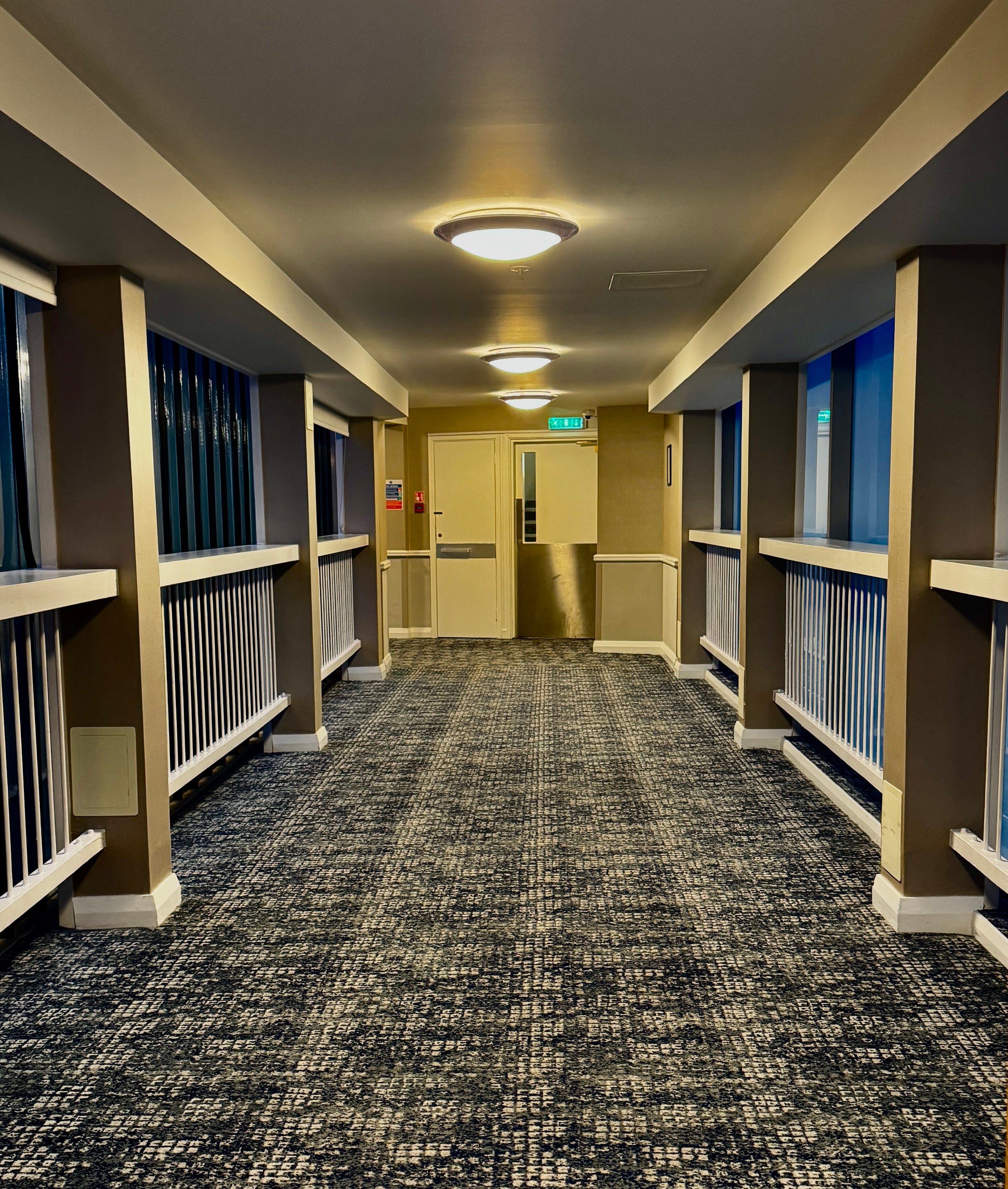
The liminal is always there, waiting for us. That empty classroom, quiet after all the kids have gone home. The cracked tarmac of the car park late in the afternoon. Any hotel room ever. In any hotel. All deserted, but freighted with presence. The liminal can always wait us out. It has nothing, but time on its hands.
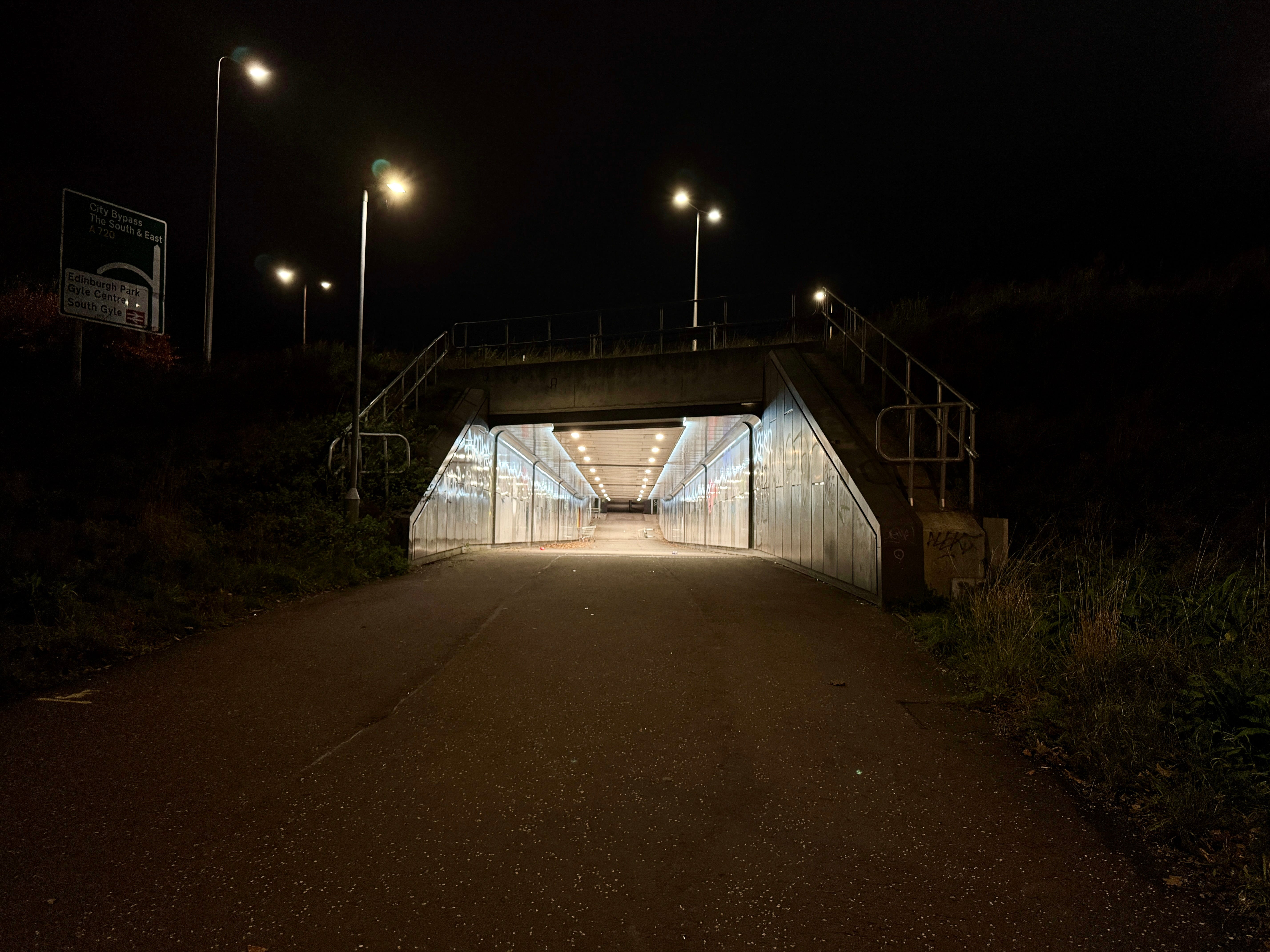
The liminal as an aesthetic is everywhere now. Just look at Apple TV’s hit show, Severance, which builds an overbearing sense of anxiety through (among other things) the use of oppressively indistinguishable office spaces. Or the neo-retro bureaucratic vibe of Marvel’s Time Variance Authority.
Looking at my own work, I love nothing better than an empty stretch of torn up concrete, a relentless corridor or a dead beach full of office furniture. And I think my interest in these things is a product of the period I grew up in.
Reality was spongy underfoot in the mid-seventies. The high price of oil meant that there were power cuts and a three-day week. Regional magazine programmes regularly ran segments on the paranormal. Cursed objects, werewolves and vampires may have been reported in a gently mocking style, but their irony wasn’t something my kid brain could parse. If something was on a news programme that meant it was “real”.
That’s before we even look at some of the programming intended for children back then. As Richard Littler, creator of Scarfolk puts it, we were, “a generation … glued to the TV, exposed to a world where much of what [we] saw seemed slightly unhinged.”
The cultural theoretician and de-facto hauntological-cult-leader, Mark Fisher has already pointed out just how strange ITV’s paranormal science-fiction programme Sapphire and Steele was (and remains). But this was just one show among much odd programming that generated an appreciation for the eerie in the kids watching it.
The Changes in whose first episode, a family, (complete with pipe-wielding dad), completely lose their shit and smash every piece of technology more advanced than a candlestick was deeply disturbing. Equally unsettling were the undiluted folk-horror weirdness of ITV’s The Children of the Stones which portrayed a village locked in a brainwashing psychic time-loop or the creepily inappropriate adaptation of Alan Garner’s The Owl Service, where the underlying sexual charge of some scenes make it an uneasy watch today.
The subtext of many of these programmes can probably be generalised as a recoil from modernity, but shopping for candles with my mum made me feel that modernity, at least as I understood it at the time, seemed to be recoiling from us. These were programmes that gestured toward the grown-up world, while also heavily implying that adults didn’t have a clue about what was really going on. We all sat around the flickering TV set, waiting to be plunged into darkness by the next power cut.
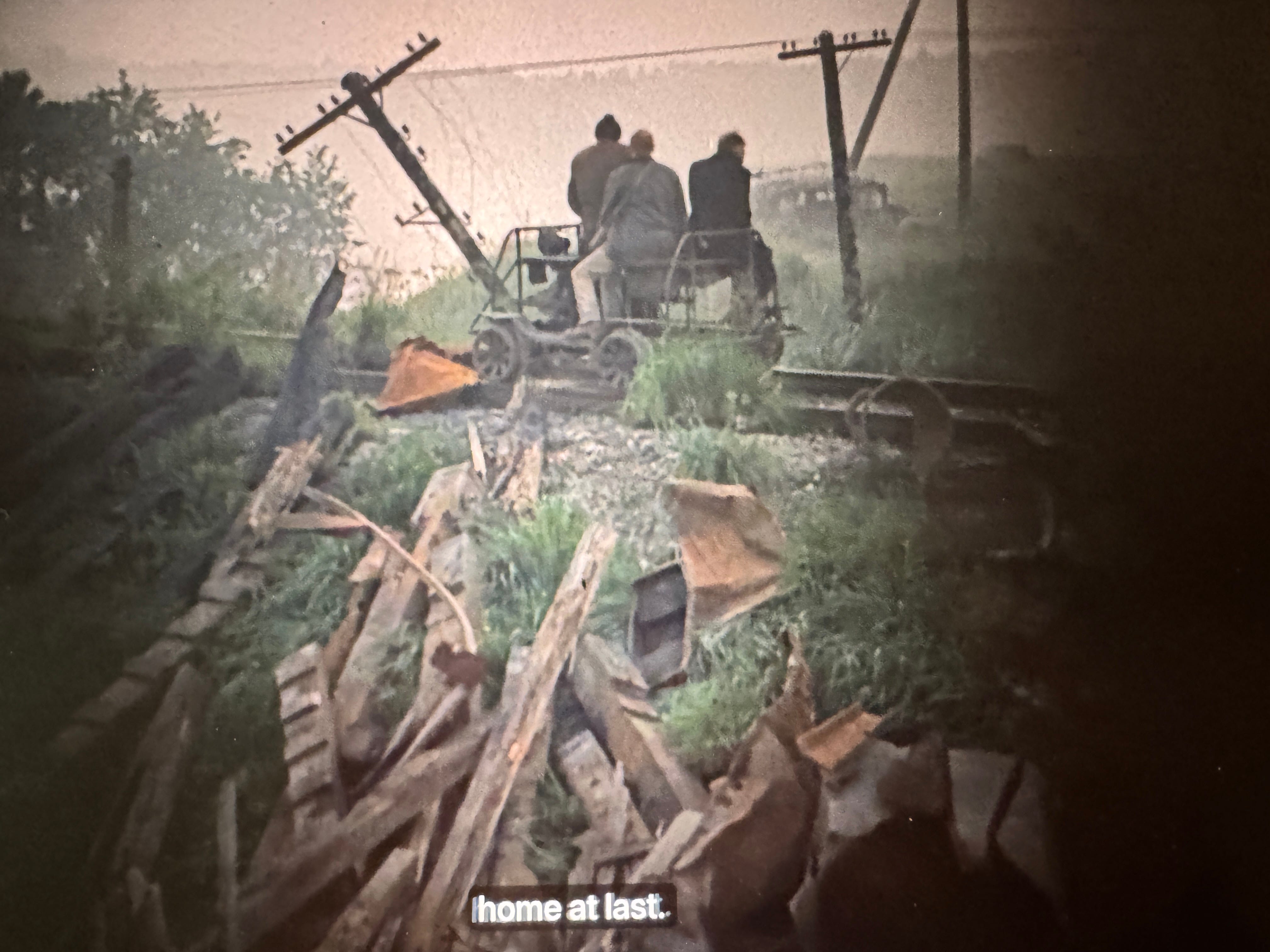
While much of the eerie charge of these programmes was a product of their time, the cheaper-than-thou production costs and the limits of seventies special effects meant much had to be evoked and little shown (similar to the approach of Tarkovsky’s ‘Stalker’ were the uncanny mood is established, mostly, through performances, music and dialogue). The net result is a lurking sense of lack, reminiscent of Fisher’s ideas about how the eerie arises from some types of absence. To me, the scariest parts of the BBC’s mythic MR James adaptations were always the long tracking shots of the misty East Anglia coast rather than spectres swaddled in bedsheets.
But this form couldn’t really survive exposure to Thatcher’s Britain of the 1980s. Brightly lit, in primary colours, the eerie never stood a chance against Wham! shoving shuttlecocks down their shorts. Perhaps, nothing represents this shift better than the way Dr Who’s hauntingly wheezy Ron Grainer/Delia Derbyshire analogue theme tune was replaced by a mid-80s farting synth score.
Despite this particular brand of eerie evaporating, it did leave a psychic imprint: a sensibility characterised as an anxiety for what might be shown rather than what was. It primed my generation, I think, making us receptive to the sinister languor of Lynch’s mirror-universe Americana; checked us all into Kubrick’s Overlook hotel and sat us down in front of a TV tuned directly into the signal from Cronenberg’s Videodrome. These three directors, for me, really take the wobbly-set principles of cut-price British telly and formulate it into a coherent aesthetic of the uneasy.
The creepy-as-fuck Tommy-cam shots of the Overlook’s corridors, build an almost unbearable tension. Similarly, Lynch’s opening shot in Blue Velvet gives us an idealised suburbia complete with a white picket fence, before slow dive zooming, to reveal the insect life that roils in the lawn grass. Cronenberg’s opening in Videodrome announcing CIVIC-TV as, “the one you take to bed with you” perhaps suggests something even more transgressive and intimate, a merging of the body and the broadcast.
It’s tempting then, to consider these as the flip side to French theorist Jacque Derrida’s ‘lost futures’ of hauntology: the idea that our current cultural stagnation (witness conveyer-belt reboots and IP freighted properties) is a result of our inability to escape the nostalgia surrounding the futures we were promised, but which never arrived. Here though, the eerie spaces of the liminal evoke something new, something more akin to lost horrors.
I would argue, that while mainstream culture might be locked into an endless rinse-repeat cycle, these sensibilities have seeped into online culture to generate real innovation. The unease aesthetic is the basis for the crowd-sourced horror of creepy-pasta, the liminal crap-office creepiness of the Backrooms or the cheap-as-chips-and-twice-as-daft scares of Life of Luxury, where internet influencer culture meets mid-west subprime-mortgage horror. These are the nightmares dreamed by the children of the “New Flesh” and ARPANET.
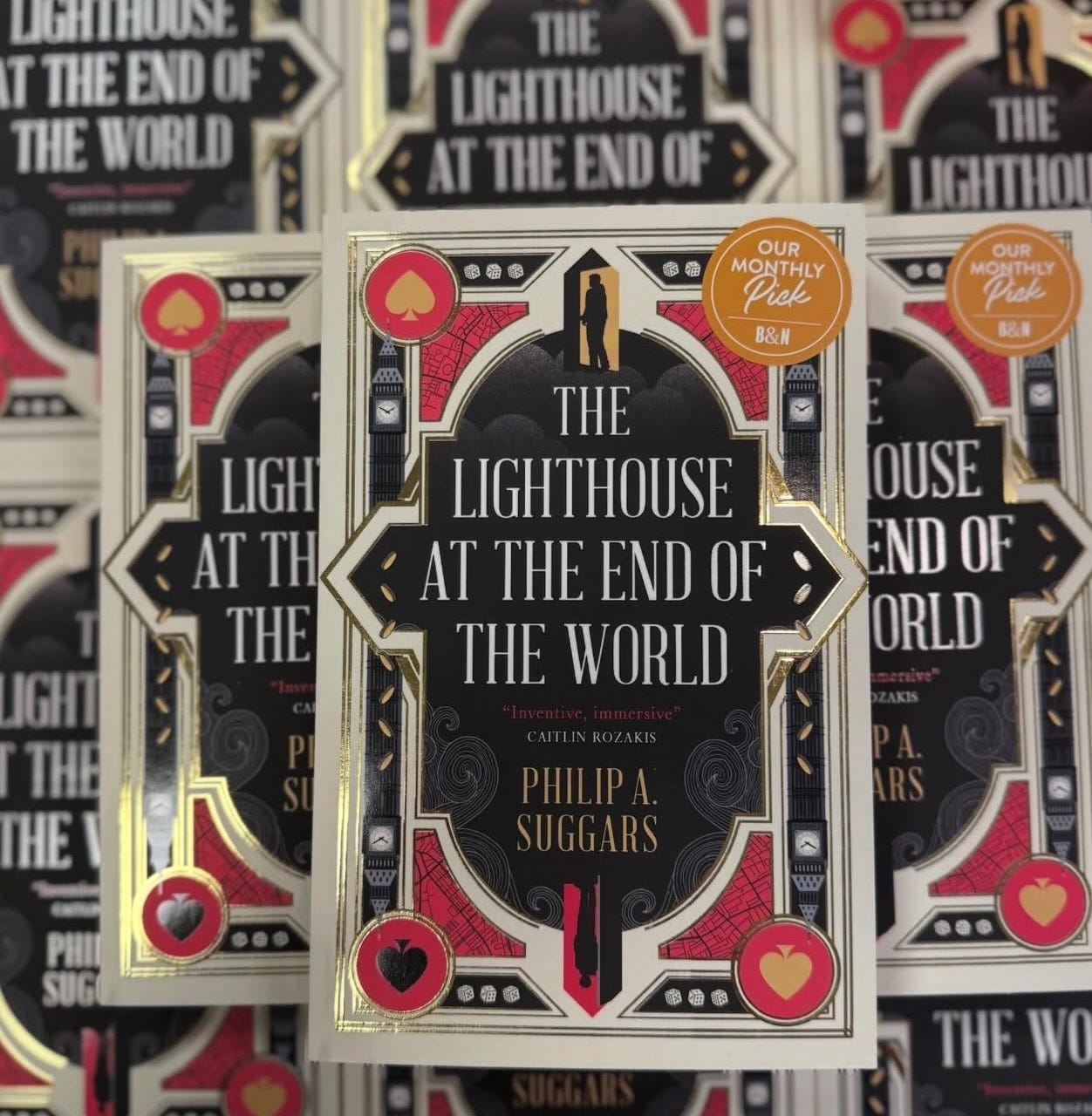
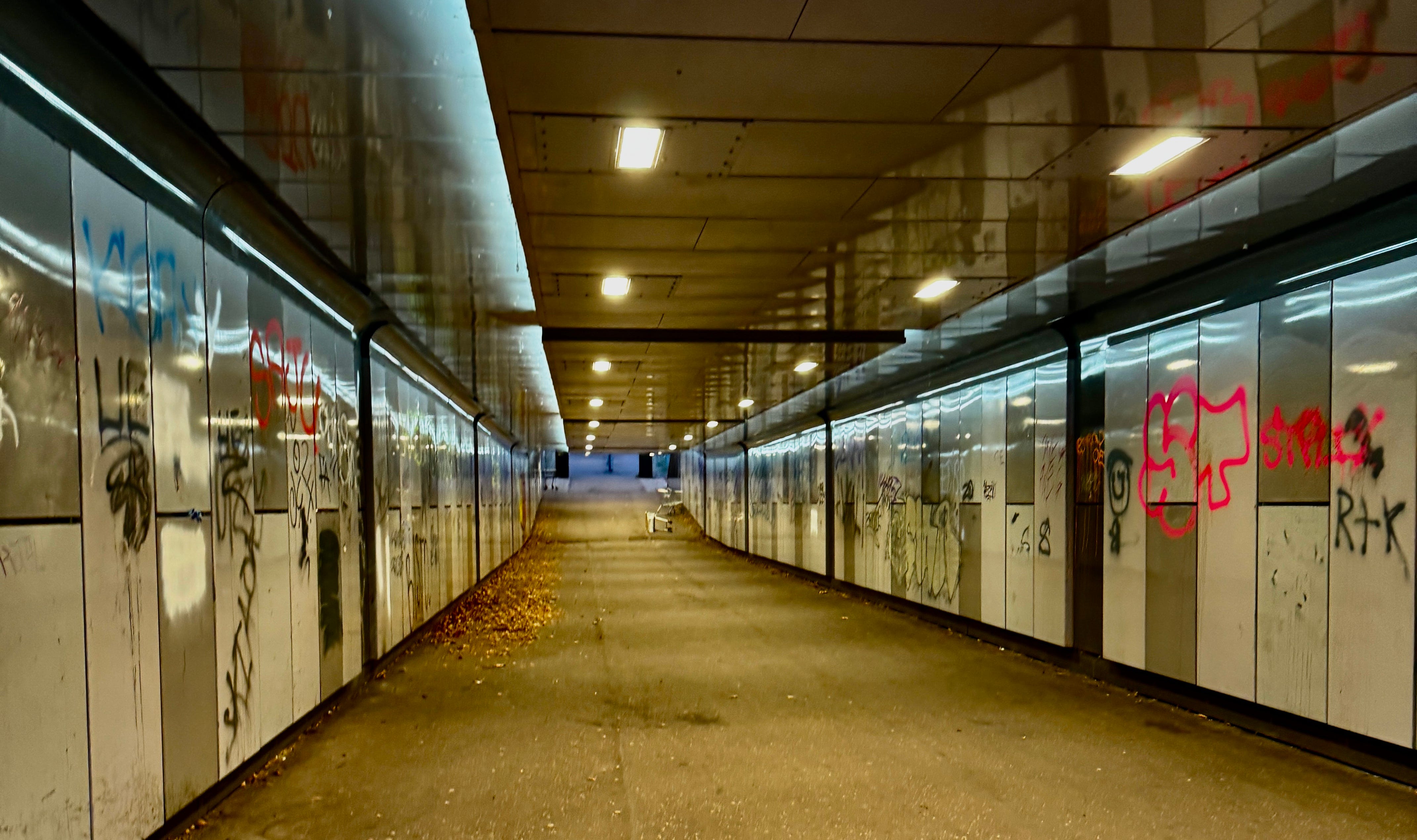
Given all this, it’s perhaps no surprise that the London I portray in The Lighthouse at the End of the World is full of edge spaces. It’s Donald Pleasance’s “Lonely Water” voiceover at 3AM in that waste ground where the council stores the bins. These were the spaces I played in as a kid. The equivalent to the modern digital eerie, where bots shit-post each other on the dead internet and ghost sites crumble from bit rot.
My book is not a horror novel in any real sense, but it’s built on the foundations of the liminal. Its antagonist, Mr Primrose, has a deep understanding of thresholds and how the eerie emerges from them. He uses this knowledge to manifest on bridges, tower block roofs or the concrete gloom of a business park. He understands it’s a texture woven into the torn-up tarmac and the shredded weeds. You can always find it at the edge of things, if you know where to look.
And that seems only as it should be.
A version of this essay was first published at Ginger Nuts of Horror which I heartily recommend. My debut fantasy novel, The Lighthouse at the End of the World, the first in the Cities of the Drift series is out now from Titan Books. You can purchase it here.