“It Follows” and the emotional register of late-stage Capitalism

I’ve read a lot of articles recently that chuck around the phrase, “the logic of late-stage capitalism” as a kind of rhetorical flourish. Hell, I’ve probably written a few myself, so I‘m not throwing any shade here. But it’s hard to read these words without thinking about the oft-quoted line (attributed to both Frederic Jameson and Slavoj Žižek) that, “it’s easier to imagine the end of the world than the end of capitalism.”

Saying we’re in “late-stage capitalism” though, kind of implies that we’ve moved through earlier stages and are now somewhere near a known ending. It has all the portentousness (and silliness) of a song by The Shamen. The logic at play here is more Captain Kirk than Mr Spock, enabling us to turn out despairing articles, give a Gallic shrug and then pop down to Waitrose for more hummus without troubling ourselves too much with what might actually come next.

From a historical perspective, this feeling is familiar. As far back as ancient Rome, figures like Cato and Cicero made their names partly by weighing in on the decline of civilisation. So believing the end is nigh seems to be a recurring cultural pattern. In my own lifetime alone we’ve had nuclear annihilation, Y2K and the War on Terror. None of these were trivial periods to live through, but we often seem to dramatise the present moment as a final gasp. Maybe, it helps to give the quotidian a glamorous touch of black lipstick. And maybe that’s part of the horror genre’s appeal (well, that and the lipstick).
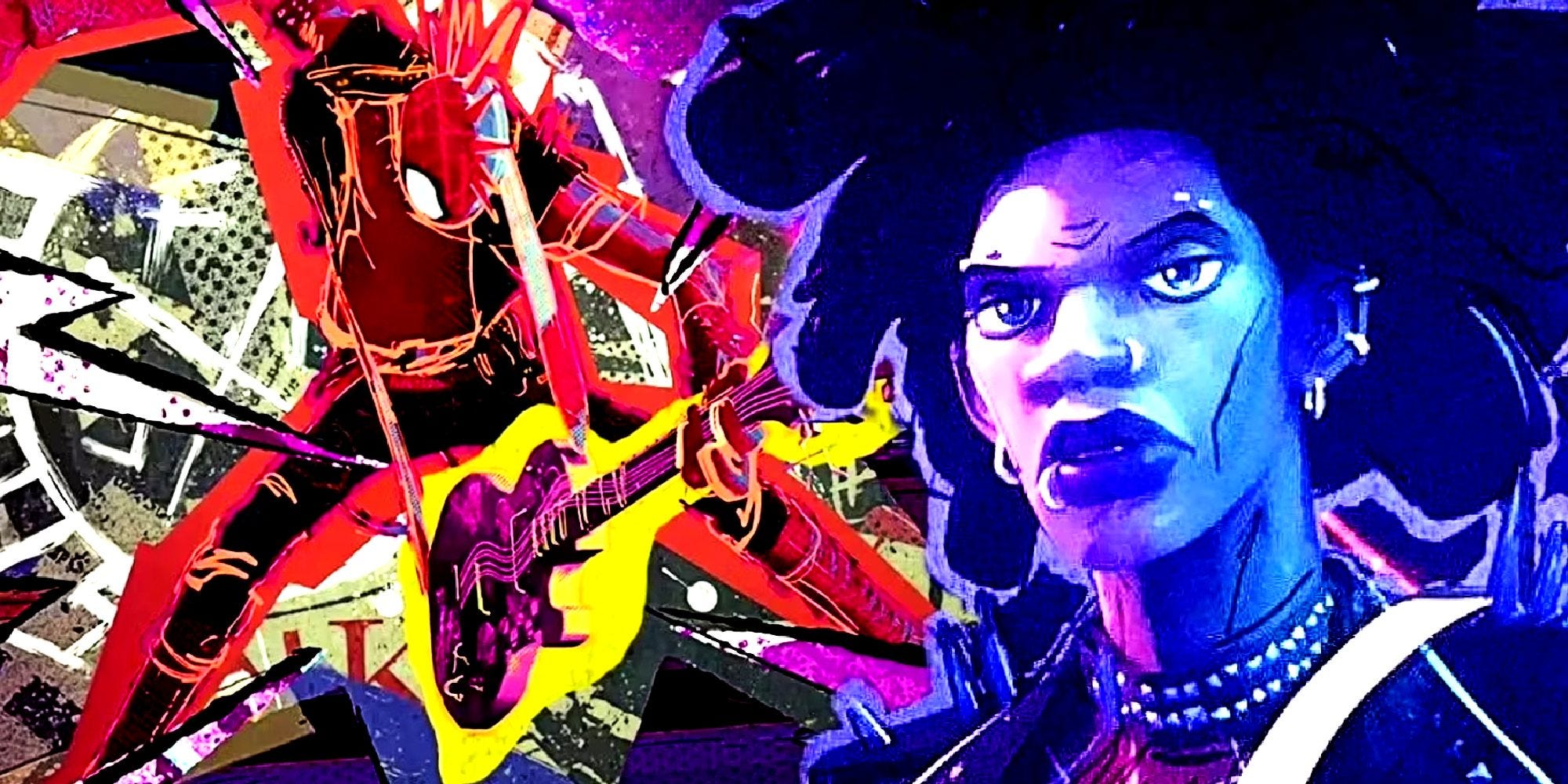
“Metaphor for capitalism, innit” – Hobie tells it like it is.

Which brings me to It Follows, a horror film that explores a lot of things, but at least one of them is investigating the unrelenting dread resulting from being pursued by an ending. In the film, Jay, a young woman becomes the target of a shape-shifting supernatural entity after a sexual encounter. This creature follows her at a walking pace, killing its victim when it catches them. The entity can look like anyone. It never stops. It can be delayed by passing the curse on to someone else, but ultimately (the repressed) always returns.

Enjoying this? Buy me a coffee?

Which makes the movie and It an eerie metaphor for Capitalism: an often invisible entity, that becomes known only to its victims (something which it bears in common with Carpenter’s They Live) and which can only be avoided by exploiting other victims in a sort of manic Ponzi scheme.

Much of the creeping fear that the movie engenders is due to Its nature. Because the creature at the movie’s core can’t be reasoned with, it has the implacable quality of a primal force. It can look like your neighbours. It can look like your parents. It wears the mask of what you know.

Like Capitalism then, the entity in It Follows demands that we keep moving and keep the questions to minimum: that we keep on running, spending and consuming. It wears us down. Slowly, quietly and relentlessly.

During the film’s finale, the protagonists try to trap the entity in a swimming pool. For a moment it appears that the gambit might have worked. Jay survives, but the final shot shows her walking away with her boyfriend while, in the background, a figure walks behind them.
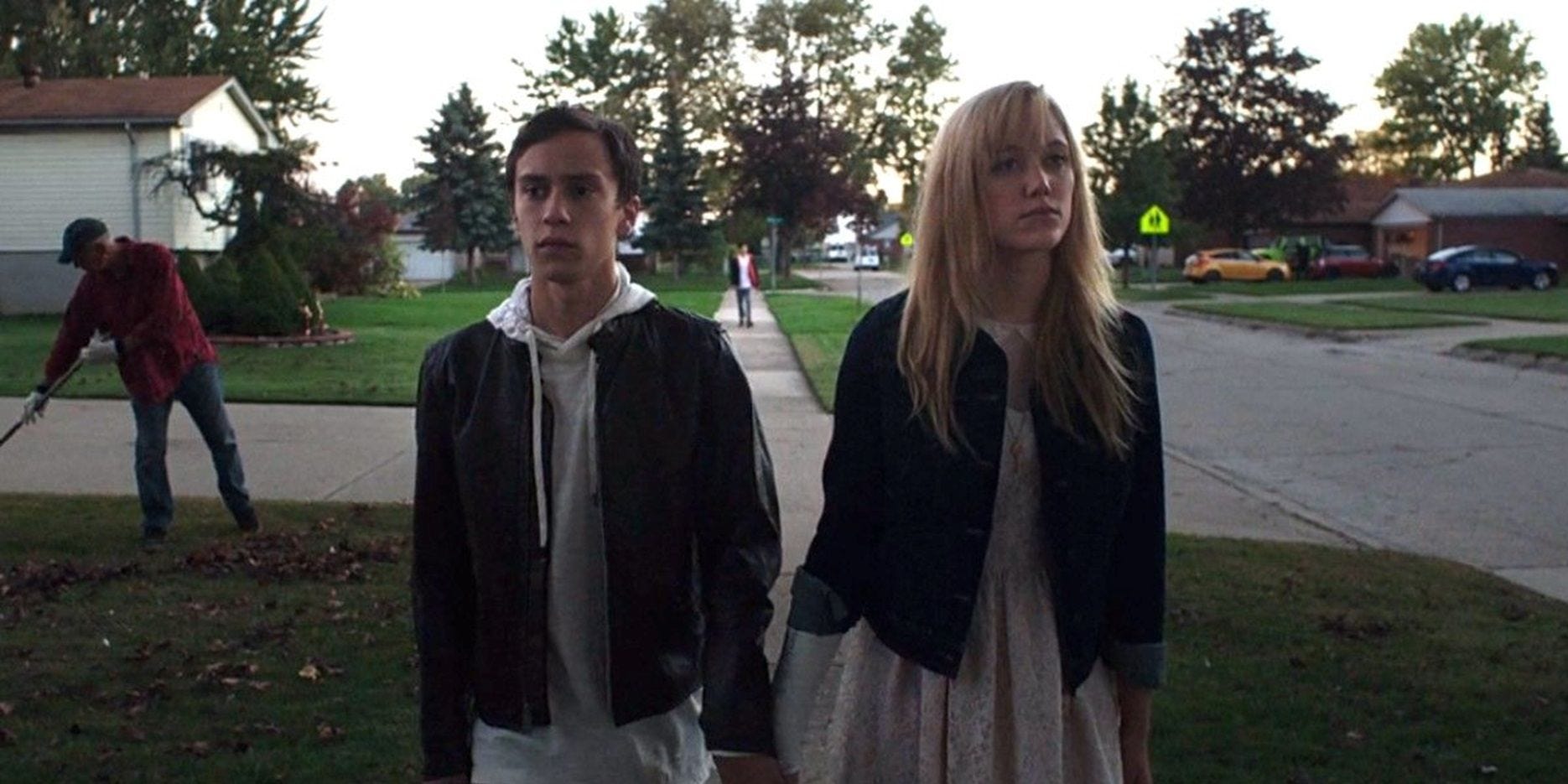
The End … or is it? Mwahahaha.

That circular, open ending is one of the things that makes It Follows so compelling and disturbing to me. The curse hasn’t been ended, it’s merely been postponed, unresolved. And that feels a lot like the emotional register of whatever this thing is that we call “late capitalism”.

We’re integrated components of a system that is dizzily documenting its own demise, but the endings that we might reasonably expect: collapse, revolution and transformation never quite arrive. (For me, there’s something of a parallel here, between that bit of old post-punk wisdom that any significant resistance ultimately gets packaged up and sold back to society as a life-style.) We’re controlled by the very system we’ve constructed. Telling ourselves that there is no alternative, instead of an ending we get packaged decline, reboots and bit-rot.

This is why the term “haunted capitalism” feels a more appropriate epithet to me than “late-stage.” Capitalism doesn’t die, it persists, populated and animated by the ghosts of futures that never fully arrived: dead city centres, empty social media networks and nostalgia for discontinued chocolate bars. We’re surrounded and invested in an epistemological infrastructure that exists only as a sort of grim hangover cure.

It’s entirely possible that Timothy Leary’s exhortation to “turn on, tune in, drop out”, might be one route out of our current predicament. Not as escapism, but as refusal. As a way of unthinking the system we’ve convinced ourselves is “natural.” Most economists seem to agree that our current economic model has its roots in the changes wrought during the 17th century such as early industrialisation, enclosure and colonial trade.

So before that, there were other logics and other systems available. Not better, necessarily, but different. So Hyper-capitalism isn’t inevitable. It’s no more a function of human nature than a Saturn V rocket is a function of a matchstick.

Having fun? You could buy me a cuppa, Guv’nor

It Follows doesn’t offer a clean ending. But then neither really does Capitalism. That is its horror and its ultimate trick, teaching us to fear its (almost but never quite materialising) collapse while numbing us to the horror of the present. Perhaps, it’s more accurate to think of it as a curse that we carry, not a structure we can challenge.

So, to resist haunted capitalism, perhaps we have to do more than call it “late.” Perhaps we have to try to imagine the unimaginable: not an apocalypse, but a departure. A refusal. Maybe that is something that we as fantasy, horror and science-fiction writers can do. We can lean-in to the job of re-worlding our future. Rather than documenting dystopias we can attempt to imagine how we might finally break the curse, by envisioning a world that no longer accepts it.

Because, failing that, I don’t think there’s a swimming pool big enough.
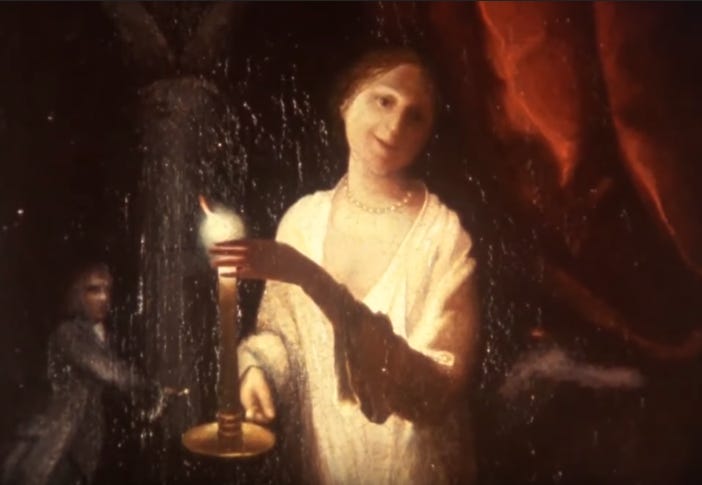
Less something broadcast and more something that slipped through: Schalcken the Painter

“Turn from the light. Your breast bare. Look into the dark.”

I encountered the BBC’s adaptation of Schalcken the Painter one Christmas night in 1979. Looking at Wikipedia now, I can confidently inform you that it was shown under the Beeb’s Omnibus arts umbrella, part of the corporation’s a Ghost Story at Christmas tradition. Since then, it has rarely been repeated, although the BFI released an edition of the film on DVD about a decade ago which is where I rediscovered it.

But that first viewing many years ago, was part of the serendipity of the three terrestrial TV channels of the time. As a child, I’d just turn the dial to commune with the great collective unconscious in the sky and keep turning it until something found me.

The “Schalcken” commissioned for the TV production depicting the doomed Rose and the painter in the background. Artist unknown.

Schalcken was that something. Feeling much less like a programme than something that manifested when I was up later than I should have been, it was a story beamed directly into me. Without knowing anything about it or having a copy of the Radio Times to hand, the film was charged with what Simon Reynolds might call a hauntological atmosphere, a static-tinged invocation of the past where the absence of any context felt like a presence. It was less like something that had been programmed and more akin to something that had slipped through.

The film is an adaptation of Sheridan Le Fanu’s short story of the same name. Both centre on a young Dutch painter, Godfried Schalcken, who was known for candlelit portraits of young women that were both suggestive and intimate. Apprenticed to the miserly Gerrit Dou, the story concerns one such work by the young painter. It depicts a woman carrying a candle while the figure of Schalcken himself stands behind her, sword half-drawn. A shadowy something lurks nearby.Subscribed

Narrated by Charles Gray, the film reveals that Schalcken produced the painting after experiencing a terrifying vision of his lost love, Rose, Gerrit Dou’s niece, following her marriage to an unearthly rival, Minheer Vanderhausen. After the marriage, she returns to the family home to beg for help, but Schalcken is unable to aid her. Subsequently, he becomes embittered and is ruined by ambition and regret. Cursed by strange visions of Rose’s fate, he paints the picture that is the tale’s inspiration.

Looking back now, for me the most striking aspect of Leslie Megahey’s production was its sound design. The foley work is close-miked, claustrophobic and opinionated. Coins clatter guiltily. Mealtimes are a medley of scraped cutlery and clocks ticking. Above all, the ghoulish Vanderhausen is introduced by a subtle creaking cue and a basso throb.

Maurice Denham is at his gnomic best as the acerbic Gerrit Dou. (Setting up one scene for his students, he dismissively indicates his two models: “St Anthony. Temptation. Devils … you will imagine the devils”). Jeremy Clyde’s Schalcken is at once amoral and careerist. Cheryl Kennedy’s Rose is, alas, little more than a human plot point. And there is something magnificently ghastly in John James’ monolithic Vanderhausen.Subscribed

Many of the film’s scenes are painterly tableaux that echo the Dutch Masters. They are composed as slow, locked-off shots demanding attention and suggestive that things are happening just outside their frame. The overall pace is profoundly mesmeric. As a kid who revelled in the reckless blood-spurting, page-turning chaos of 2000 AD, the film’s sense of stillness was agonising and compelling.

If Le Fanu’s original tale is a masterful example of gothic grimoire, Megahey’s adaptation is more satisfyingly grounded and disturbing, I think, in that it explores aspects that the source material only hints at. Namely, the commodification of the erotic, the sex worker economy and the casual treatment of Rose as an object for sale to the highest bidder, in this case the eminently unsuitable Vanderhausen.

Encountering this film without any context made it all the more unnerving. Lacking much to orient me, its docudrama approach, unsettling atmosphere and languorous sense of dread were perfect. But I do wonder how much of its impact was a function of the way it found me, free of frames of reference or any sense of what it was.

A perfect example, perhaps, of the uncanny as a format rather than a plot, its final few scenes lurking in my memory for days after I saw it and still capable of evoking a sense of dread years later. But that mood lay not only in the tale itself, but in how it arrived, formally unplaceable, aesthetically estranged. Schalcken the Painter wasn’t just uncanny in content. For me, bathing in the flickering TV light that night, it was the uncanny

Years later, I rediscovered the film and watching it now, it’s still chilling, but since I know so much about it, its sense of dread has receded. Knowledge of its origin has dispelled its hauntological charge. That notion I had of not-knowing, the feeling I was watching something that might be forbidden has faded, taking with it the creeping sensation that instead of a slightly hokey Christmas ghost story, I was witnessing a transmission from the outside.

My weird fantasy debut The Lighthouse at the End of the World is published by Titan Books April 2026. Pre-order it here.

Questions for this issue:

  • I’d love to hear from anyone else who has encountered the uncanny as format?

Playlist

  • You can hear Sheridan Le Fanu’s original gothic tale read by the wonderful Ian McDiarmid here.
  • Watch Leslie Megahey’s the adaption here. You’ll need to login due to age restrictions (there is some nudity, well, it was the 1970s). The reproduction is low quality, although IMHO that only adds to its atmosphere.
  • The BFI’s Graham Fuller analyses the film: https://www.bfi.org.uk/features/why-i-love-schalcken-painter
  • You can buy the BFI DVD edition here. Apologies for the Amazon link but the BFI shop seems to be closed right now.

High on hauntology: brexit

Hauntology is a type of cultural archaeology these days, given that its moment has almost certainly passed. It’s perhaps unfairly characterised as the whining sound emitted by Gen-Xers as our brief moment of cultural hegemony (comic book movies/post-modernism) is squeezed between the more demographically generous buttocks of millennials and baby boomers.

But then we were always the forgotten generation. The latchkey, step-parented kids who watched too much TV, stayed up too late, ate too much junk food, and swallowed way too many drugs.

As much as Simon Reynolds might (reasonably) reject this as a “lazy” analysis in Ghosts of My Life, hauntology, at least in its Fisherian incarnation, does have something of the quality of an old man declaring war on the moon. If nothing else, the emergence of Grime and UK Drill rebutted Fisher’s notion that Jungle was the last revolutionary pop music pretty much at the very moment that he was asserting it.

But while the hauntological cultural moment may have passed, daily struggles with the consequences of Brexit seem to suggest that we are very much living at its political apex.

This is because if there was one cultural frame for the whole Brexit project, it was the one of a Britain isolated from a fascist Europe, fighting as the plucky underdog and winning the Second World War single-handedly.

Indeed (and as Rafael Behr has pointed out), to listen to Nigel Farage, Jacob Rees-Mogg, Paul Dacre, and Boris Johnson, one could be mistaken in thinking that it was they who stormed the beaches on D-Day, completed years of national service, or presided over the sunset of the Raj in India… except… they are, of course, too young to have done any of this.

Enough said.

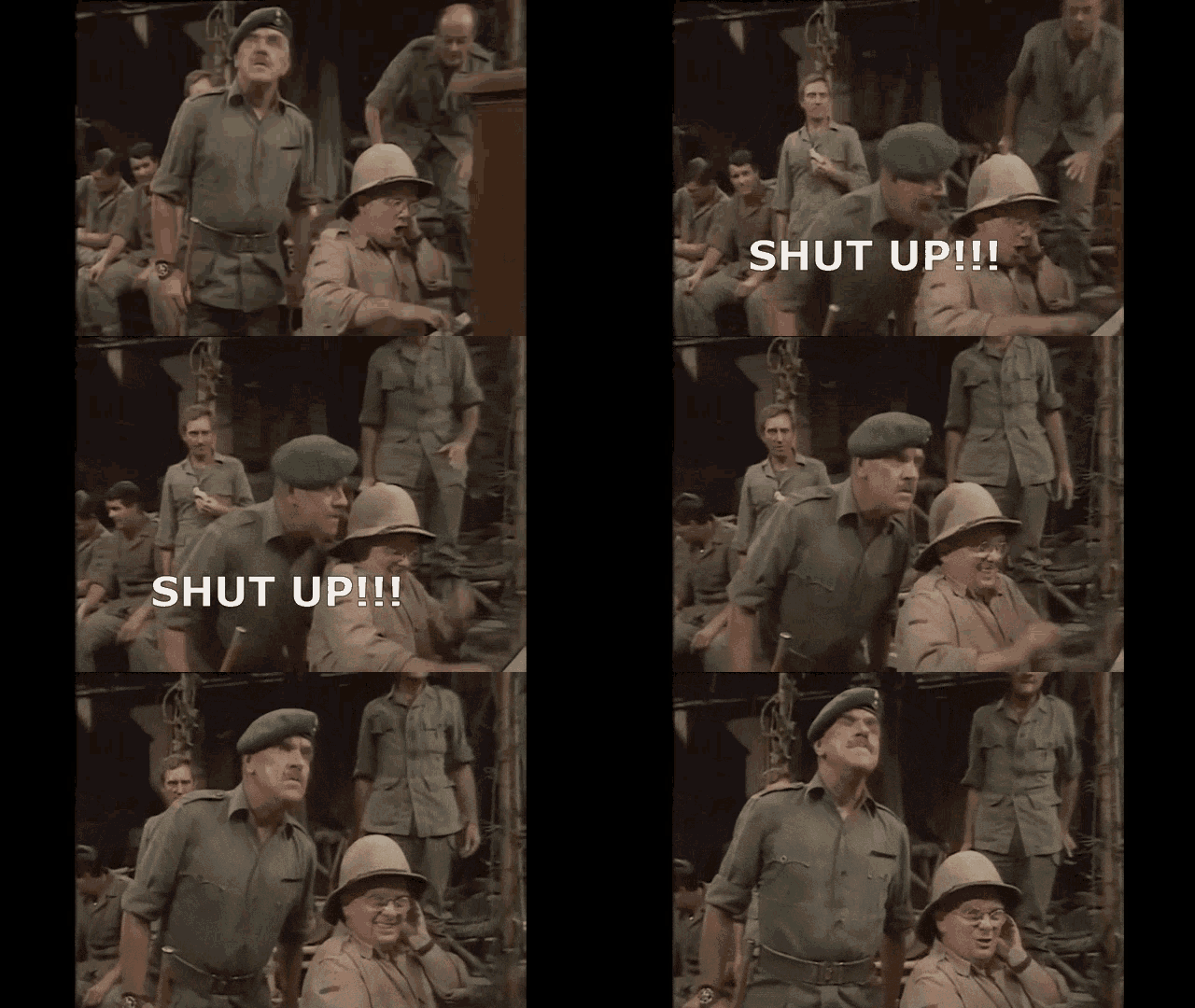
In place of lived experiences of WWII, these ontological jokers draw on a national ur-myth whose foundational canon would have been served up regularly during their long summer respites from the Winchester College bullies: Dad’s Army, It Ain’t Half Hot Mum, and countless 1970s WWII action movies. (Although Farage has more in common with Basil Fawlty in “The Germans”).

All of these gesture towards a Britain that never existed. A cosy “cor-blimey guv” Albion of officers and men, where the little people knew their places. A Blighty standing toe-to-toe “alone” against Fascism which had yet to suffer post-war decline or post-imperial embarrassment. (Dog whistle alert: is it possible that part of this myth’s appeal is the sense that this Britain was so much whiter?)

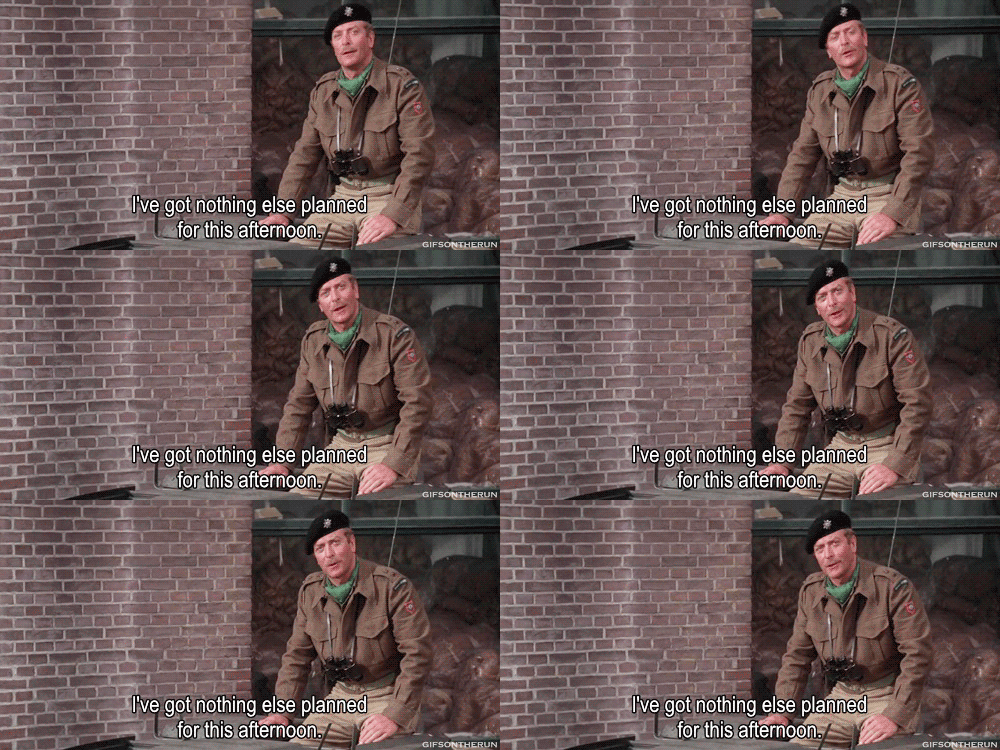
Come along now, chaps.

There is something decidedly hauntological about all of this. The way in which a phantasmal and retrospective political and cultural movement has choked the life out of the pro-European futures articulated in the political and musical ground zero of post-punk (Empires and Dance, Europe After the Rain, Europa and the Pirate Twins); an insistence that the only way forward is a ghoulish simulacrum of Britain’s finest hour. It’s hard not to see echoes of Fisher’s assertion in Capitalist Realism that the only way forwards is backwards.

It is worth remembering perhaps, the Conservative Party’s original antipathy for the EU has its roots in a deep suspicion of the demands of the European Social Chapter and a fear that this was introducing “socialism through the back door”. (Reverse echoes of Truss’s paranoid anxieties of invisible supra-sovereign forces working to undermine a national government?)

Allying this dislike to the screen memory of a Greater Britain, spitfires over Dover, Rule Britannia, and the “good” empire, resulted in a toxically hallucinogenic brew that the Conservative Party was forced to ingest as some sort of ayahuascan post-imperial hangover cure.

JRM has some really good shit.

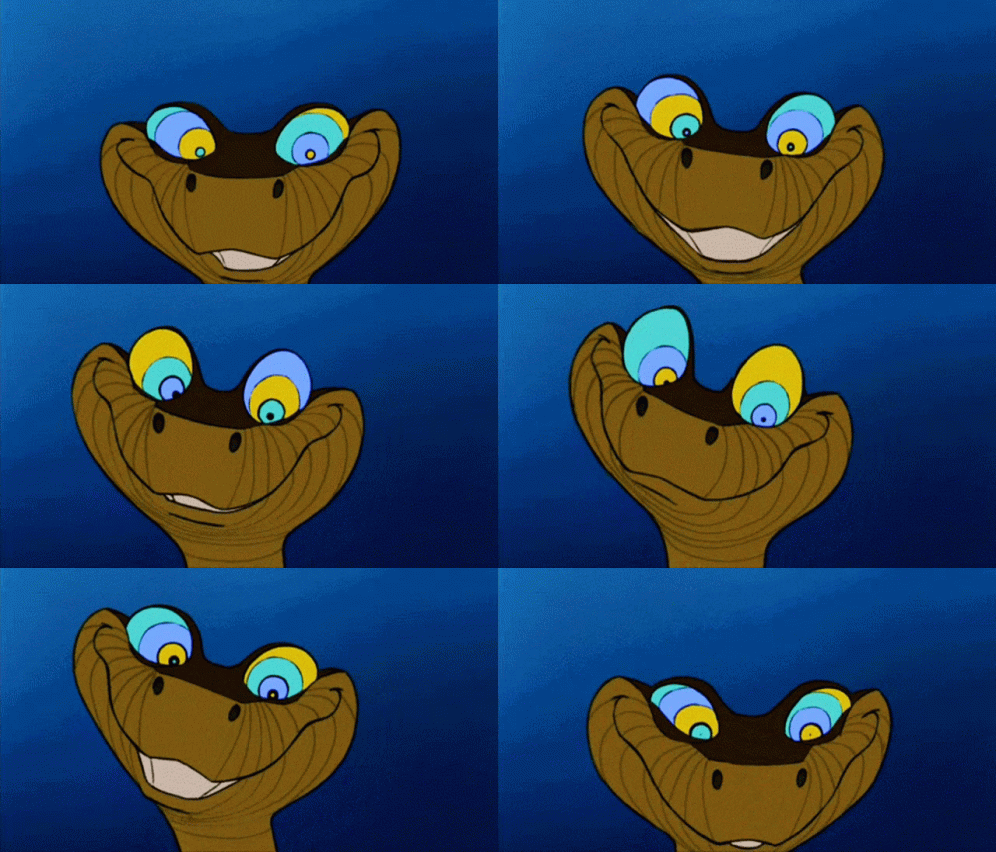
Watch high priest Rees-Mogg’s eyes rotate behind his wire-rimmed spectacles like that snake from The Jungle Book. Witness lonely Gove’s cocaine jitterbug or Truss’s dead-eyed X-Files-lite rants about the deep state.

Retro’s opioid hit is, of course, that it gives the comfort of what we’ve known before, a Freudian return to the womb/nanny, along with a convenient yardstick that renders all other political practices inadequate by comparison.

It created a subjective/objective purity test where outspoken beliefs in Brexit dividends were more important than any rational concerns rooted in its evidential costs. A position which provided the pretext for Johnson to purge his party of anyone other than the faithful.

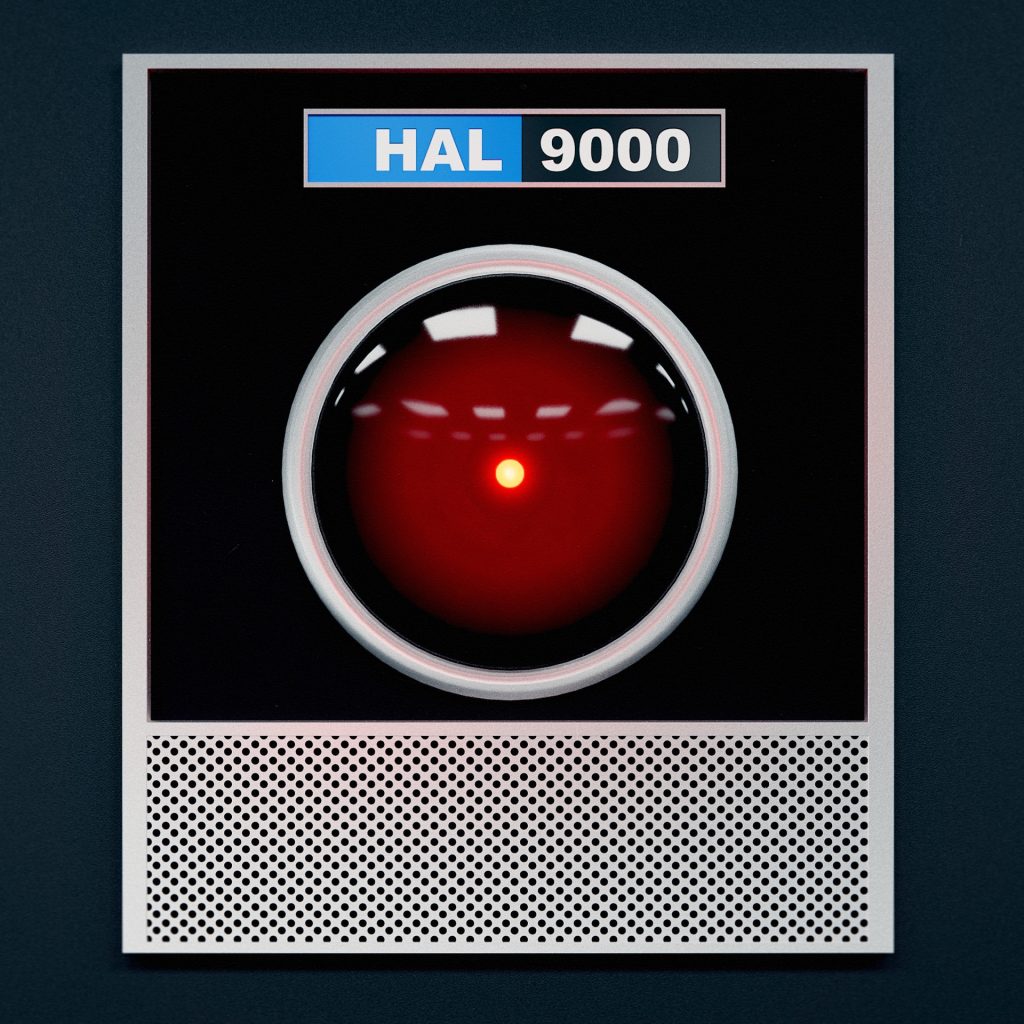
Like HAL9000 in Kubrick’s 2001, the delicious cognitive dissonance from this hauntological hit caused a psychic crisis which sent our ruling elite scurrying for higher and higher doses of post-truth (e.g. legislating to make Rwanda a safe country, an obsession with getting out from under “the yoke” of the European Court of Justice.) It’s monkey which they have, as yet, been unable to shake off.

“Open a trade border in the Irish Sea, HAL” “I’m sorry, Dave, I can’t do that”

The predictable paranoid comedown from all of this has meant the right have already started on the betrayal narratives: Brexit wasn’t done properly or has been sabotaged by fifth columnists/deep state forces. Ignoring, of course, that the Brexit that they espoused was a construct that would never have been achievable in any of the political contexts from which the UK was starting.

Is there any escape from this toxic nostalgia? Currently, it is hard not to agree with Fisher’s grim analysis that we are trapped within a mirrored box of our own making. As time passes and the veterans and survivors of World War II are gathered up, all we see are reflections of reflections.

To paraphrase Orwell’s O’Brien: “If you want a picture of the future, imagine Nigel Farage driving around in a jeep on the beaches of Normandy forever”. Perhaps, all we can do is hope that as the hauntological cultural moment has passed, then perhaps soon its political variant will do the same.